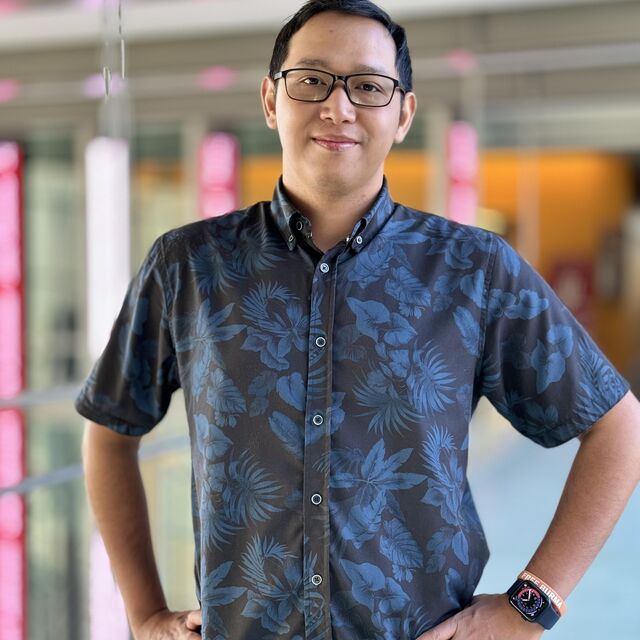
About me
Kaung Myat is a Ph.D. student in Literacy, Culture, and Language Education at Indiana University Bloomington, with over a decade of experience in teaching, research, and community engagement across Myanmar and the United States. He currently serves as a Burmese Language Adjunct Instructor at Indiana University and works as a Research Assistant with the Multilingual Minds Books & Beyond initiative, where he contributes to developing literacy resources in underserved languages. Kaung’s research centers on multilingual education, language policy and planning, and mother tongue–based education, particularly in conflict-affected and linguistically diverse communities. His work is grounded in both academic research and practical experience, including his previous roles as an assistant lecturer in Myanmar and founder of a community-based language center. He is committed to bridging academic scholarship with community engagement to promote equitable, culturally responsive, and inclusive education for marginalized populations.Kaung Myat is a Ph.D. student in Literacy, Culture, and Language Education at Indiana University Bloomington, with over a decade of experience in teaching, research, and community engagement across Myanmar and the United States. He currently serves as a Burmese Language Adjunct Instructor at Indiana University and works as a Research Assistant with the Multilingual Minds Books & Beyond initiative, where he contributes to developing literacy resources in underserved languages. Kaung’s research centers on multilingual education, language policy and planning, and mother tongue–based education, particularly in conflict-affected and linguistically diverse communities. His work is grounded in both academic research and practical experience, including his previous roles as an assistant lecturer in Myanmar and founder of a community-based language center. He is committed to bridging academic scholarship with community engagement to promote equitable, culturally responsive, and inclusive education for marginalized populations.