Loading…
All sessions are available online except round tables, special activities, and workshops.
Wednesday October 7, 2026 2:15pm - 2:45pm EDT
ID: 33604

In a time shaped by geopolitical conflict, displacement, and widening inequalities in access to education, some basic questions feel newly urgent: Who owns learning? Who gets to participate in it?Who gets to shape it?Who gets to carry it across borders? This session takes up these questions through open education, transnational didactics, and trauma-informed teaching, drawing on a 13-week open, blended course developed at the University of Stuttgart.The course brings together student teachers from Germany, Ukraine, Lebanon, and more than ten other countries into a shared online learning space that deliberately foregrounds human connection, creativity, and curiosity. Working in transnational teams, participants design project-based learning (PBL) experiences. 17 projects including toolkits, lesson plans, videos and websites were developed.The session involved chat prompts, polls and pointed reflection questions for participants to actively engage with during the 30 minutes.  Conference attendees will learn how the course moves beyond delivering content to become a space where open, educational sovereignty can be practiced—where learners and educators co-create meaningful, context-sensitive learning across cultural and political boundaries.This course is situated within global conversations, including UNESCO’s vision of inclusive and equitable education and the International Council for Open and Distance Education (ICDE) focus on access and innovation in digital learning. At the same time, it does not avoid the realities many participants are living through. War, instability, and uncertainty are present in the space. For that reason, the course draws on trauma-informed principles, intentionally creating conditions of psychological safety, flexibility, and trust—conditions that make open, genuine collaboration possible.A central idea guiding the course is anti-fragility. Rather than simply trying to withstand disruption, the design invites uncertainty and diversity to become sources of learning. Students take on the role of designers, negotiating perspectives, constraints, and opportunities as they work. In doing so, curiosity and creativity are not added extras—they emerge naturally through the process, removing barriers, alongside growing intercultural awareness and resilience.In this session, participants will see how open, transnational learning spaces can function as sites of both solidarity and agency. The session will share concrete design strategies for structuring international collaboration, integrating trauma-informed approaches, and connecting practice to global frameworks. Examples from student projects will show how shared challenges can lead to inventive, locally meaningful solutions.
Speakers
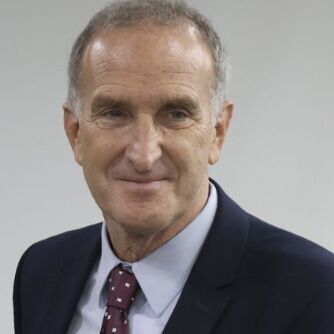
avatar for Richard Powers

Richard Powers

Professor, University of Stuttgart, Department of Education
Richard J. Powers is a professor, instructional designer, and international educator at the University of Stuttgart and City Colleges of Chicago. His work focuses on open education, international collaboration, and project-based learning in global, online environments, alongside Universal... Read More →
Wednesday October 7, 2026 2:15pm - 2:45pm EDT
5 DR3 MIT Samberg Conference Center, 50 Memorial Drive, Cambridge MA 02139 USA

Sign up or log in to save this to your schedule, view media, leave feedback and see who's attending!

Share Modal

Share this link via

Or copy link
