Loading…
All sessions are available online except round tables, special activities, and workshops.
Wednesday October 7, 2026 11:50am - 12:20pm EDT
ID: 31121

Open Educational Resources (OER) have gained widespread recognition as a strategy to reduce the financial burden of learning materials and expand access to education. Over the past decade, institutions around the world have increasingly adopted open resources to improve affordability and remove barriers to learning. As the open education movement continues to evolve, the conversation is shifting beyond the adoption of OER toward the broader implementation of Open Education Practices (OEP). While the benefits of OER are well documented—particularly in relation to cost savings and student access—less attention has been given to the institutional planning processes and leadership decisions that make these initiatives sustainable over time.This session examines how procedural planning and institutional decision-making shape the development and growth of open education initiatives. Rather than focusing solely on outcomes such as cost savings or adoption rates, the presentation highlights the strategic planning frameworks, collaborative partnerships, and implementation strategies that support long-term OEP adoption. Institutional leaders, librarians, instructional designers, and faculty members often play interconnected roles in advancing open initiatives, and their collaboration is essential to building sustainable ecosystems that support open teaching and learning.Using the experience of Kean University as a case study, this session will illustrate how institutional leadership, libraries, faculty partners, and student success teams worked together to expand open education initiatives across the institution. In 2019, only seven course sections used materials that did not require students to purchase textbooks. By Fall 2024, approximately 33% of course sections no longer required students to purchase textbooks. This significant growth was the result of intentional planning, cross-campus collaboration, faculty development programs, and the creation of institutional infrastructure such as repository systems and technological platforms that support open scholarship and knowledge sharing.The session will also discuss key implementation considerations that institutions must address when expanding OEP. These include building faculty capacity through professional development, strengthening copyright and licensing literacy, and establishing policies that address student consent and privacy when learner-generated content is shared publicly. Participants will gain practical insights into how institutions can align open education initiatives with broader strategic priorities such as affordability, student success, equity, and academic innovation.Through discussion and reflection, attendees will explore how intentional planning, institutional leadership, and collaborative partnerships can support the long-term sustainability and impact of Open Education Practices.
Speakers
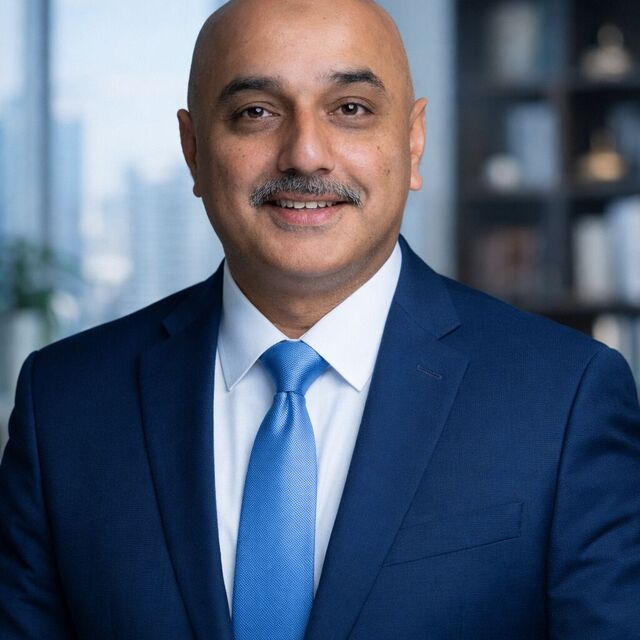
avatar for Muhammad Hassan

Muhammad Hassan

Associate Vice President and Chief Librarian, Kean University
Dr. Muhammad Hassan is Associate Vice President and Chief Librarian at Kean University, where he leads the Nancy Thompson Learning Commons. A scholar-practitioner in educational leadership, his work centers on advancing equity, academic excellence, and social mobility through integrated... Read More →
Wednesday October 7, 2026 11:50am - 12:20pm EDT
4 Room T MIT Samberg Conference Center, 50 Memorial Drive, Cambridge MA 02139 USA

Sign up or log in to save this to your schedule, view media, leave feedback and see who's attending!

Share Modal

Share this link via

Or copy link
