Loading…
All sessions are available online except round tables, special activities, and workshops.
Subject: Innovating Open Content to Democratize Knowledge clear filter
arrow_back View All Dates
Wednesday, October 7
 

11:50am EDT

Procedural Planning Decision-Making in Open Education Practices
Wednesday October 7, 2026 11:50am - 12:20pm EDT
ID: 31121

Open Educational Resources (OER) have gained widespread recognition as a strategy to reduce the financial burden of learning materials and expand access to education. Over the past decade, institutions around the world have increasingly adopted open resources to improve affordability and remove barriers to learning. As the open education movement continues to evolve, the conversation is shifting beyond the adoption of OER toward the broader implementation of Open Education Practices (OEP). While the benefits of OER are well documented—particularly in relation to cost savings and student access—less attention has been given to the institutional planning processes and leadership decisions that make these initiatives sustainable over time.This session examines how procedural planning and institutional decision-making shape the development and growth of open education initiatives. Rather than focusing solely on outcomes such as cost savings or adoption rates, the presentation highlights the strategic planning frameworks, collaborative partnerships, and implementation strategies that support long-term OEP adoption. Institutional leaders, librarians, instructional designers, and faculty members often play interconnected roles in advancing open initiatives, and their collaboration is essential to building sustainable ecosystems that support open teaching and learning.Using the experience of Kean University as a case study, this session will illustrate how institutional leadership, libraries, faculty partners, and student success teams worked together to expand open education initiatives across the institution. In 2019, only seven course sections used materials that did not require students to purchase textbooks. By Fall 2024, approximately 33% of course sections no longer required students to purchase textbooks. This significant growth was the result of intentional planning, cross-campus collaboration, faculty development programs, and the creation of institutional infrastructure such as repository systems and technological platforms that support open scholarship and knowledge sharing.The session will also discuss key implementation considerations that institutions must address when expanding OEP. These include building faculty capacity through professional development, strengthening copyright and licensing literacy, and establishing policies that address student consent and privacy when learner-generated content is shared publicly. Participants will gain practical insights into how institutions can align open education initiatives with broader strategic priorities such as affordability, student success, equity, and academic innovation.Through discussion and reflection, attendees will explore how intentional planning, institutional leadership, and collaborative partnerships can support the long-term sustainability and impact of Open Education Practices.
Speakers
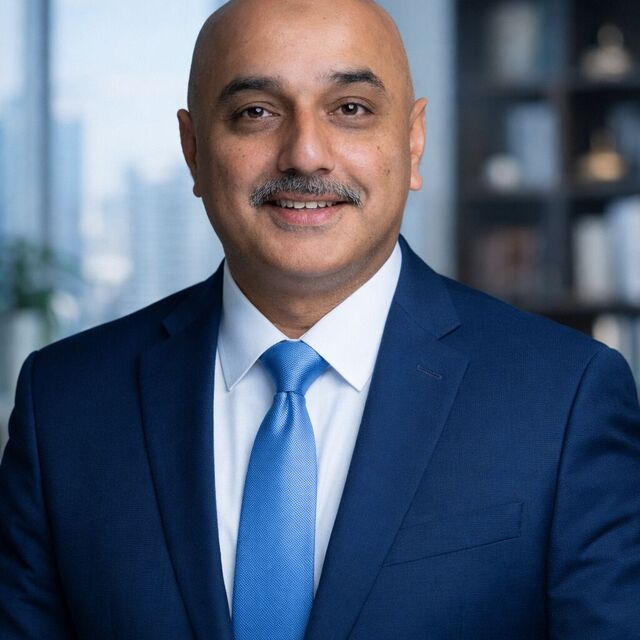
avatar for Muhammad Hassan

Muhammad Hassan

Associate Vice President and Chief Librarian, Kean University
Dr. Muhammad Hassan is Associate Vice President and Chief Librarian at Kean University, where he leads the Nancy Thompson Learning Commons. A scholar-practitioner in educational leadership, his work centers on advancing equity, academic excellence, and social mobility through integrated... Read More →
Wednesday October 7, 2026 11:50am - 12:20pm EDT
4 Room T MIT Samberg Conference Center, 50 Memorial Drive, Cambridge MA 02139 USA

12:25pm EDT

Silences in the Literature: Reimagining Qualitative Methods in Open Education Research to Disrupt Epistemic Hierarchies
Wednesday October 7, 2026 12:25pm - 12:55pm EDT
ID: 31007

Open education research has expanded rapidly alongside the global growth of open educational resources (OER), open pedagogy, and open knowledge practices. While the field has made intentional movement towards foregrounding its research in social justice, the methods used to collect and examine data in open education often continue to reproduce dominant epistemological frameworks that privilege Western, institutional, and positivist approaches to knowledge production. Making assumptions that “there must be gaps in the literature” when certain knowledge is not published in a peer-reviewed journal is just one example of epistemological hierarchies we’ll identify as an opportunity to dismantle with new qualitative approaches. Our session will engage the audience in exploring the idea that open education research would benefit from moving beyond inherited traditional methodological “norms” and instead consider the role that critical frameworks (e.g. Black Feminist, Critical Race Theory, Queer Theory, Poststructuralism, Postcolonial Theory, etc.) and concepts like reflexivity, positionality, and relationality could play in democratizing the research process to intentionally uplift historically marginalized ways of knowing. This session proposes a critical reimagining of qualitative research protocols in open education in order to better align research practices with transformative values like equity, student agency, power distribution, and the democratization of knowledge that the open movement champions.Attendees will be invited to critically examine how traditional qualitative protocols like the literature review, interview design, consent processes, data ownership, and authorship conventions have a tendency to reinforce epistemic hierarchies. The session will present practical strategies for researchers seeking to shift toward more inclusive and ethically grounded approaches, but it will also create space for participants to come together and brainstorm what it might look like, for example, to center open and participant-controlled data practices as well as reflexive transparency concerning positionality and power in the research process.
Speakers
avatar for Jasmine Roberts-Crews

Jasmine Roberts-Crews

Lecturer, Ohio State University
Dr. Jasmine Roberts-Crews is an educator, speaker, writer, and scholar advocate.She earned her bachelor's degree in communication studies and Spanish at the University of Michigan, her master's degree in communication at the University of Illinois at Urbana-Champaign, and doctorate... Read More →
avatar for Lindsey Gwozdz

Lindsey Gwozdz

Assistant Dean of Libraries, Community College of Rhode Island
Lindsey Gwozdz joined CCRI in 2024 as the Assistant Dean of the Library, having spent 11 years prior as an Associate Professor and the Scholarly Communications Librarian at Roger Williams University. She also serves as the Fellow for Open Education at the New England Board of Higher... Read More →
Wednesday October 7, 2026 12:25pm - 12:55pm EDT
2 Room M MIT Samberg Conference Center, 50 Memorial Drive, Cambridge MA 02139 USA

12:25pm EDT

The Impact of Open Textbooks in Taiwan: A Personal and Institutional Journey
Wednesday October 7, 2026 12:25pm - 12:55pm EDT
ID: 31961

The increasing cost of commercial textbooks, combined with rapidly changing student learning behaviors and widespread access to unauthorized digital materials, has created an urgent need to rethink how learning resources are developed and delivered in higher education. In Taiwan, these challenges have driven a national and institutional shift toward Open Textbooks (OTB) as a more equitable, flexible, and sustainable solution. This session will present a comprehensive overview of how Taiwan has advanced Open Textbook adoption through a combination of policy support and grassroots engagement. The movement was influenced by international open education advocacy, notably the 2018 lecture tour in Taiwan by James Glapa-Grossklag, which introduced practical models from the California Community Colleges system. Building on this foundation, the Taiwan Open Course and Education Consortium launched national initiatives (2019–2021; 2022–2024), further supported by the Ministry of Education’s Second Phase of the e-Learning Movement Project (2022–2025), involving 37 universities in promoting OTB adoption. At the institutional level, this session will highlight the implementation of Open Textbook initiatives at National Taipei University of Technology since 2021. These include structured programs for course adoption and collaborative OTB co-creation. To date, 46 faculty members have adopted 64 open textbooks across their courses, and 51 book reviews have been published to support wider dissemination and faculty engagement. In addition, two active communities are currently co-developing new open textbooks tailored to local educational contexts. Beyond presenting these initiatives, this session will offer a multi-perspective reflection on OTB adoption, incorporating insights from students, faculty, and administrators. It will explore how open textbooks enhance accessibility, support real-time content updates, and enable innovative teaching practices. The session will also address common challenges, including faculty readiness, sustainability, and quality assurance. Participants will gain practical strategies for initiating or scaling Open Textbook initiatives within their own institutions. The session is particularly relevant for educators, administrators, and policymakers interested in open education, digital learning, and equitable access to knowledge. By combining evidence-based outcomes with lived experiences, this session aims to provide transferable insights that support the global movement to democratize education through open content.
Speakers
avatar for Ta-Wei Li

Ta-Wei Li

Assistant Professor, National Yang Ming Chiao Tung University
Ta-Wei Li is an Assistant Professor of Applied Chemistry at National Yang Ming Chiao Tung University and served as Director of the Open Education Office from 2014 to 2021. From 2017 to 2021, he led the Taiwan Open Courseware and Educational Consortium (TOCEC) as President, helping... Read More →
avatar for Yu-Lun Huang

Yu-Lun Huang

Associate Professor and Associate Dean for Academic Affairs, National Yang Ming Chiao Tung University
Yu-Lun Huang received the B.S. and Ph.D. degrees in Computer Science and Information Engineering from National Chiao Tung University, Taiwan, in 1995 and 2001, respectively. She has been a member of Phi Tau Phi Society since 1995. She is now an associate professor in the Department... Read More →
avatar for Jicheng Sun

Jicheng Sun

Project Manager, National Taipei University of Technology
Mr. Jicheng Sun is a Project Manager in the Office of Academic Affairs at National Taipei University of Technology (NTUT), Taiwan. His work focuses on promoting innovative teaching and digital learning initiatives across the university. He oversees multiple institutional projects... Read More →
Wednesday October 7, 2026 12:25pm - 12:55pm EDT
4 Room T MIT Samberg Conference Center, 50 Memorial Drive, Cambridge MA 02139 USA

1:40pm EDT

Global South Knowledge in Northern Systems: Rethinking Teacher Integration Through Open Educational Practices
Wednesday October 7, 2026 1:40pm - 2:10pm EDT
ID: 31224

Across many education systems in the Global North, internationally trained teachers are increasingly recruited to address persistent teacher shortages and respond to growing linguistic and cultural diversity in classrooms. However, the professional integration of these educators often unfolds within institutional frameworks that implicitly privilege Northern epistemologies, pedagogical traditions, and professional norms. As a result, the knowledge and pedagogical expertise developed in the Global South frequently remain undervalued or invisible within host education systems.This presentation examines how open educational practices (OEP) can provide a transformative framework for rethinking the integration of internationally trained teachers while promoting knowledge as a global public good. Drawing on doctoral research conducted in Ontario’s French-language and French immersion school systems in Canada, this study focuses particularly on educators trained in Cameroon who are navigating professional entry and adaptation within Canadian schools.Using a blended ethnographic and critical autoethnographic methodology, the research explores how internationally trained teachers negotiate professional identity, knowledge legitimacy, and pedagogical adaptation as they transition between educational systems. The findings highlight persistent epistemic asymmetries that shape teacher integration processes, where internationally trained educators are frequently expected to adapt to dominant institutional models while their own professional knowledge remains under-recognized.The presentation argues that open educational practices—including open educational resources (OER), collaborative knowledge-sharing networks, and transnational professional learning communities—can help challenge these asymmetries by enabling more equitable forms of knowledge circulation between the Global South and Global North. Through open platforms and collaborative knowledge ecosystems, internationally trained educators can participate not only as recipients of professional development but also as contributors to global pedagogical knowledge.By situating teacher integration within broader open knowledge ecosystems, this session proposes a shift away from assimilation-based models toward a model of reciprocal epistemic exchange, in which diverse pedagogical traditions are recognized as valuable sources of educational innovation.Ultimately, the presentation highlights how open educational practices can support migrant educators, democratize knowledge production, and foster more inclusive and globally connected education systems.
Speakers
EK

Eric Keunne

PhD Candidate & School Principal (K-12), York University (Glendon Campus), Toronto, Canada
Eric Keunne is a PhD candidate in French Studies at York University whose research examines the professional integration of internationally trained teachers in Ontario’s French-language and French immersion school systems. His work focuses particularly on educators trained in Cameroon... Read More →
Wednesday October 7, 2026 1:40pm - 2:10pm EDT
4 Room T MIT Samberg Conference Center, 50 Memorial Drive, Cambridge MA 02139 USA

1:40pm EDT

OER and Knowledge Without a Market Share
Wednesday October 7, 2026 1:40pm - 2:10pm EDT
ID: 30932

In the limited funding available for the creation of open access materials, both at institutional levels and through other means, the focus has been on return on investment, on courses with high enrollment or on general education courses that would be useful for multiple institutions. This approach has made sense as it speaks very clearly to the goal of OER to lower textbook costs on a significant scale for students. However, it does not take into consideration courses with topics that contribute rather to access of materials that students would not normally receive, rather than an aggregate amount of savings.  This session will consider this concept from the perspective of a medievalist. Those in my field have had an increasing problem with general medieval literature textbooks is that they are often unable – or unwilling – to keep up with the current issues in medieval studies, particularly those related to diversity, such as the relatively new approach to the global Middle Ages, and marginalized communities, such as people with disabilities. Yet, textbooks with the goal of rectifying this oversight tend to be singularly focused and do not necessarily include a broad range of sources, which makes them difficult to use as the primary book in especially a survey course. OER is particularly well-situated to remedy these issues because it does not rely on publishers who are concerned with market shares in terms of what they decide to produce, and it is flexible for multiple uses in a variety of pedagogical situations, even brief lessons. As an example, we will discuss the funding, creation, and publication of an open access textbook that serves as an introduction to medieval disability studies for undergraduates, in particular. There are very few resources for teaching medieval disability to undergraduate students because it is only now becoming a topic of consideration even at the graduate level. Thus, there is a dearth of organized textbooks that include everything needed. There is a Medieval Disability Sourcebook: Western Europe, but its aim is to provide primary sources, not serve as a textbook to the subject. This open access textbook on Medieval Disability introduces students both to the topic of disability in the Middle Ages as well as to the broader study of disability. There are introductions to the different types of sources that we can analyze, including literature, archaeology, material culture, art, etc. It focuses on physical as well as invisible disabilities, language and translation issues, social integration, treatments, and technologies, among other topics. In particular, it focuses on addressing popular misconceptions about historical disability. This open access textbook provides the missing resource that many in the field have been requesting. But yet it is a resource that is difficult to “sell” to traditional publishers because the field is itself small. This example allows us to consider the democratization of knowledge beyond the market share.
Speakers
avatar for Kisha Tracy

Kisha Tracy

Professor, English Studies, Fitchburg State University
Dr. Kisha G. Tracy is a Professor and Chair of English Studies and Chair of the General Education Program at Fitchburg State University. She received her Ph.D. in Medieval Studies from the University of Connecticut. In addition to several articles, her first book was published by... Read More →
Wednesday October 7, 2026 1:40pm - 2:10pm EDT
2 Room M MIT Samberg Conference Center, 50 Memorial Drive, Cambridge MA 02139 USA

1:40pm EDT

Design, Build, Share: A Panel Workshop on Open Microcredential Content and Credential Metadata
Wednesday October 7, 2026 1:40pm - 2:45pm EDT
ID: 33581

As the shift toward skills-based learning accelerates, educators and institutions are increasingly called to design learning experiences that are not only aligned to workforce needs but also open, adaptable, and transparent. While open educational resources (OER) have expanded access to content, there is a growing need to support the development of open, skills-based microcredential content that can be reused, adapted, and recognized across learning and employment contexts. This interactive panel and workshop session invites participants to “come invent with us” by engaging directly in the process of authoring open microcredential content.Grounded in emerging practices at the intersection of open education, microcredentials, and Learning and Employment Records (LERs), this session will move beyond conceptual discussion into hands-on application. Participants will be introduced to key considerations in designing open, skills-based content, including alignment to validated skills, structuring for modularity and stackability, and embedding metadata to support transparency, interoperability, and credential portability (Credential Engine, 2024). Building on principles of OER-enabled pedagogy (Wiley & Hilton, 2018), the session emphasizes not only access to content, but the ability for educators and institutions to actively create, adapt, and share skills-aligned learning resources.A central component of the session will be guided, experiential engagement with the Pressbooks Microcredential Authoring platform. Participants will work within a templated microcredential structure designed to support consistent, high-quality development of skills-based content. Through facilitated activities, attendees will explore how to translate skills into learning outcomes, develop aligned content and assessments, and incorporate content-level metadata that connects learning experiences to verifiable credentials. The workshop will also surface key design decisions, such as how to balance openness with institutional or industry requirements, and how to support multiple models of content sharing (open, closed, and hybrid).Panelists will provide brief framing perspectives from institutional, international, and ecosystem viewpoints, but the majority of the session will focus on participant engagement. Attendees will have the opportunity to workshop their own ideas, collaborate with peers, and receive feedback from facilitators with expertise in open education, microcredentials, and skills-based design.By the end of the session, participants will have a practical understanding of how to design and author open microcredential content, experience a platform-enabled approach to scalable content development, and gain actionable strategies for implementing open, skills-based learning initiatives within their own contexts. This session directly supports the conference track by advancing innovative approaches to open content that democratize knowledge and expand opportunities for learners across educational and workforce systems.
Speakers
avatar for Başak Büyükçelen

Başak Büyükçelen

Chief Executive Officer, Pressbooks
Başak Büyükçelen is the CEO of Pressbooks, where she has spent the last seven years helping shape the company's direction and culture. With a background spanning consulting, manufacturing, banking, finance, film, and video games, she brings a cross-industry lens to the challenges... Read More →
avatar for Kevin Corcoran

Kevin Corcoran

Assistant Vice Provost, University of Central Florida
Kevin Corcoran is the Assistant Vice Provost of the Center for Distributed Learning. Kevin has over 25 years of experience in the development and support of strategies for the effective use of digital learning tools and content that focuses on quality standards and practices, student... Read More →
avatar for Amanda Coolidge

Amanda Coolidge

VP, Strategic Engagement and Growth, Pressbooks
Amanda Coolidge is VP of Strategic Engagement and Growth at Pressbooks, where she leads marketing, sales, and customer success and serves as product manager for the company's microcredential platform. She is the founder of Coolidge Collaborative and former Executive Director of BCcampus... Read More →
avatar for Lisa Young

Lisa Young

Founder & Principal, EduEssentials Consulting
Dr. Lisa Young is a longtime advocate for open education and learner centered innovation in higher education. She recently retired after more than 30 years with the Maricopa County Community College District, where she served in several leadership roles, including Faculty Administrator... Read More →
Wednesday October 7, 2026 1:40pm - 2:45pm EDT
3 Room I MIT Samberg Conference Center, 50 Memorial Drive, Cambridge MA 02139 USA

2:15pm EDT

Empowering Secondary Education via Open Higher Education Modules: The UHCOOL Framework
Wednesday October 7, 2026 2:15pm - 2:45pm EDT
ID: 31964

The rapid evolution of global education standards has placed unprecedented pressure on secondary schools to deliver specialized, high-quality elective curricula. While universities possess an abundance of digital expertise, translating this knowledge into accessible K-12 formats remains a significant hurdle. Traditional digital initiatives, such as standard MOOCs, often fail to achieve meaningful impact in high school settings because they lack integration with local teachers and pedagogical adaptability. This results in a structural discrepancy where rural and under-resourced schools remain isolated from higher education’s intellectual wealth.To address this, we present the "University/High-school Collaboration On Online Learning" (UHCOOL) framework, spearheaded by the "ewant" open education platform. UHCOOL moves beyond simple content sharing to establish a sustainable governance model for digital knowledge transfer. Its primary goal is to democratize access to advanced subjects by transforming complex university-level curricula into modular, flexible Open Educational Resources (OER) specifically tailored for secondary education.The operational core of UHCOOL is a collaborative nexus involving universities, secondary schools, and industry partners. Rather than delivering a "one-size-fits-all" curriculum, the project utilizes a sophisticated dual-layered digital architecture. By providing each high school with a localized Open Learning Environment (OLE) based on the Moodle platform, the system empowers local educators to act as curators rather than just facilitators. Teachers can access high-level university "benchmark courses"—including videos, assessments, and slide decks—and then adapt or merge these modules with their own localized teaching strategies. This ensures that university faculty's expertise is supported by high school teachers' classroom management skills.The effectiveness of this decentralized OER model is evidenced by its rapid adoption. A flagship course on semiconductor technology, for instance, bridged the gap for nearly 2,000 students across 51 schools in its first year, with participation expected to nearly double by 2025. Feedback indicates that providing a robust "pedagogical skeleton" allows teachers to focus on student engagement and critical thinking rather than starting curriculum design from scratch.In conclusion, the UHCOOL initiative illustrates that the true democratization of education lies in the balance between openness to resources and local pedagogical autonomy. By reframing university content as adaptable modules within a cross-institutional framework, we provide a scalable solution for educational equity. This model serves as a vital blueprint for leveraging OER to ensure specialized knowledge is a public good accessible to all learners, regardless of location.
Speakers
avatar for Ken-Zen Chen

Ken-Zen Chen

Associate Professor and Associate Director of HERO Center, National Yang Ming Chiao Tung University
Ken-Zen Chen serves as an Associate Professor at the Institute of Education, National Yang Ming Chiao Tung University (NYCU), Taiwan. His scholarly work focuses on digital learning ecosystems, institutional collaboration, and the practical application of Open Educational Resources... Read More →
YJ

Yun-Chia Jasmine Chang

Professor and Director of HERO Center, National Yang Ming Chiao Tung University
Professor Yung-Chia Chang is a faculty member in the Department of Industrial Engineering and Management at National Yang Ming Chiao Tung University and a key contributor to the HERO Center’s work on open higher education resources. She received her B.S. and M.S. degrees in Industrial... Read More →
WL

Wei-I Lee

Research Fellow of HERO Center, National Yang Ming Chiao Tung University
Wei-I Lee is a professor in the Department of Electrophysics at National Yang Ming Chiao Tung University and has served as the director of the Research Center of Higher Educational Resources for Openness (HERO Center). He obtained his B.S. in Electrophysics from National Chiao Tung... Read More →
Wednesday October 7, 2026 2:15pm - 2:45pm EDT
4 Room T MIT Samberg Conference Center, 50 Memorial Drive, Cambridge MA 02139 USA

3:00pm EDT

OER Beyond Gen Ed: Lessons from Washington’s Professional-Technical Programs
Wednesday October 7, 2026 3:00pm - 3:30pm EDT
ID: 31247

Open Educational Resources (OER) initiatives have largely focused on general education courses such as math, English, and introductory sciences. However, professional-technical (ProfTech) programs face a different set of challenges when it comes to course materials. These fields often rely on expensive, commercial textbooks, rapidly evolving industry content, certification-aligned materials, and highly visual or technical resources.Washington State’s Open ProfTech initiative explores how open textbooks can be developed in professional-technical programs across community and technical colleges. Through statewide collaboration, faculty authors worked with instructional designers, editors, illustrators, migration specialists, copyright and OER experts, and accessibility specialists, coordinated by SBCTC, the state agency serving Washington’s community and technical colleges, to create openly licensed textbooks aligned with industry expectations.This session shares practical lessons from this initiative, including the unique challenges of developing OER in professional technical education disciplines, strategies that helped faculty authors succeed, and what other institutions or systems should consider when launching similar efforts. Rather than focusing on project details alone, the presentation highlights key insights about supporting proftech faculty, managing rapidly changing content, and building sustainable infrastructure for open publishing in technical fields.Participants will leave with practical ideas for expanding OER beyond general education into workforce and career programs.
Speakers
avatar for Boyoung Chae

Boyoung Chae

Policy Associate, Washington State Board for Community and Technical Colleges
Boyoung Chae is a Policy Associate of Educational Technology and Open Education with the Washington State Board for Community & Technical Colleges (SBCTC). She completed a master’s in Instructional Systems from Pennsylvania State University and a PhD in Instructional Technology... Read More →
avatar for Monique Belair

Monique Belair

Program Administrator, Washington State Board for Community and Technical Colleges
Monique Belair is a Program Administrator for Educational Technology and Open Education with the Washington State Board for Community & Technical Colleges (SBCTC). She is currently managing her second U.S. Department of Education grant for the Washington Open ProfTech Project. Monique... Read More →
avatar for Ashley Montenegro Ramirez

Ashley Montenegro Ramirez

Program Administrator, Washington State Board for Community and Technical Colleges
Ashley Montenegro Ramirez is a project manager in open education and workforce development. She manages and supports the development of open textbooks for Washington’s community and technical colleges, with a focus on accessibility, quality assurance, and collaborative project management... Read More →
Wednesday October 7, 2026 3:00pm - 3:30pm EDT
7 DR5 MIT Samberg Conference Center, 50 Memorial Drive, Cambridge MA 02139 USA

3:00pm EDT

Students as Knowledge Creators and the Lasting Impact of OER: Sharing Examples of Extraordinary Student Work
Wednesday October 7, 2026 3:00pm - 3:30pm EDT
ID: 31395

The remarkable imprint OER has on public higher education is well documented. One indicator of this success is seen in the high-quality student work generated through OER usage. In this round table, designed for educators, creators, and anyone else curious about OER, participants will discuss open pedagogy and the value of the contributions by students to the Open field. Participants are encouraged to share examples of exceptional student-generated Open scholarship and creativity.Facilitated by long-time OER creator/collaborators, Robin Miller (CUNY), Paul Ricciardi (CUNY), and Michelle Turnbull (Bergen Community College), this session invites participants to:Discuss student-centered Open pedagogy;Experience and share examples of student work from the Open community;Share OER they've created that has been used in a class room that inspires students to contribute to the Open community;Share any other links, images and samples of student work that was born out of the Open movement.Participants may simply listen, or come to the session equipped with a link to anything they wish to share in this lively OER show and tell. Come and be inspired!
Speakers
avatar for Paul Ricciardi

Paul Ricciardi

Professor of Theatre Arts, Kingsborough Community College - City University of New York
Paul Ricciardi is Professor of Theatre Arts at Kingsborough Community College/City University of New York, where he teaches all levels of Acting and Voice for the Stage. Paul is also a Course Coordinator for two College Now courses, Humanities and Foundations in Theatre. Paul is... Read More →
avatar for Robin Miller

Robin Miller

Open Educational Technologist, Graduate Center - City University of New York
I am a former OER librarian and currently work as an Open Educational Technology Specialist and the main point of contact at the City University of New York (CUNY) for the digital publishing platform Manifold https://cuny.manifoldapp.org/.
avatar for Michelle Turnbull

Michelle Turnbull

Professor of English, Bergen Community College
Michelle Turnbull began teaching English and the Humanities in 2005. Michelle taught high school English for 14 years in Brooklyn, NY. Currently, she teaches English as a Full Time Professor at Bergen County Community College in New Jersey. Michelle is passionate about OER and has... Read More →
Wednesday October 7, 2026 3:00pm - 3:30pm EDT
4 Room T MIT Samberg Conference Center, 50 Memorial Drive, Cambridge MA 02139 USA

3:00pm EDT

How Open Should Open Be? The AI Question for Archives, Repositories, and Open Scholarship
Wednesday October 7, 2026 3:00pm - 4:05pm EDT
ID: 34865

Libraries, archives, and mission-driven publishers have been key players in the global movement to increase open and equitable access to scholarship and to primary source materials. One key question that stewards of archival and general collections, and publishers of scholarly content, must wrestle with today is whether the principles behind making content open for individual readers and users can be applied to LLMs and generative AI tools. Concerns over loss of provenance, control, and lack of attribution bump up against a conviction that the high quality content stewarded by research libraries, archives, and scholarly publishers would enhance the quality of output produced by AI tools. As AI systems seek access to scholarly content for training data, long-standing assumptions and values about openness, stewardship, control and provenance are being challenged and reexamined. In this panel discussion, we bring together different perspectives on the core question of whether and how scholarly content should be open for AI use.Panelists:Dave Hansen, Executive Director of Authors Alliance, argues that control and gatekeeping are the wrong approach for libraries and archives, and instead asserts that “building the infrastructure that supports open, accountable research of every kind.” will be the most values-aligned and productive role for the library community.Alison Muddit, Chief Executive Officer of the Public Library of Science (PLOS), asserts that AI and open access are not naturally in tension; but/and that a mission-driven publisher like PLOS must take seriously the fact that AI intensifies the need for rigor, transparency, and signals of trustworthiness. She emphasizes the responsibility to ensure that the scholarly record functions as trustworthy infrastructure for both human and machine reasoning.Chris Bourg, Director of Libraries at MIT, is a global leader in open scholarship and an advocate for the public mission of knowledge institutions. At MIT, she is co-chair of the MIT Working Group on Scholarly Content and Generative AI, and a member of the MIT Committee on AI in Teaching, Learning, and Research Training. Panel facilitator: Mike Furlough, Executive Director of HathiTrust, works with dozens of member libraries to steward over 19 million digitized items from their collections, recognizing that memory institutions have a responsibility to make collections broadly accessible for all modes of research. However, emergent modes of research have brought new, more urgent demands for access to those collections, which in turn pose new questions regarding sustainable stewardship.
Speakers
avatar for Chris Bourg

Chris Bourg

Director of Libraries, Massachusetts Institute of Technology
Chris Bourg is the Director of Libraries at Massachusetts Institute of Technology (MIT), where she is also the founding director of the Center for Research on Equitable and Open Scholarship (CREOS). Prior to assuming her role at MIT, Chris worked for 12 years in the Stanford University... Read More →
MF

Mike Furlough

Executive Director, HathiTrust
Furlough leads an organization that includes over 90 academic and research institutions working to transform scholarship and research in the 21st century. The partnering institutions currently own and maintain a trusted digital repository of more than 11 million volumes, digitized... Read More →
avatar for Dave Hansen

Dave Hansen

Executive Director, Authors Alliance
David Hansen is the Executive Director of Authors Alliance, a nonprofit that aims to support authors who want to see their works widely distributed for the benefit of the public. Authors Alliance has led efforts to secure copyright exemptions for text data mining researchers and has... Read More →
AM

Alison Muddit

Chief Executive Officer, Public Library of Science
Since June 2017 Alison has been Chief Executive Officer of the Public Library of Science (PLOS), an organization on a mission to drive open science forward with measurable, meaningful change in research publishing, policy, and practice. Prior to PLOS, Alison served as Executive Director... Read More →
Wednesday October 7, 2026 3:00pm - 4:05pm EDT
3 Room I MIT Samberg Conference Center, 50 Memorial Drive, Cambridge MA 02139 USA

3:35pm EDT

From Classrooms to Careers: Equipping Today’s Students with the Workforce Skills of Tomorrow Through OER
Wednesday October 7, 2026 3:35pm - 4:05pm EDT
ID: 33396

Across disciplines and institutions, instructors face growing challenges related to student engagement and academic integrity. These challenges are compounded by the rise of artificial intelligence (AI) and rapidly shifting workforce demands. AI enables students to produce work that is not their own in seconds. Meanwhile, our workforce requires students to develop an ever-increasing set of skills and knowledge in order to obtain entry-level jobs. Traditional print textbooks and resources cannot keep up. Rather, these rapidly evolving technologies and workforce needs require students to learn from the most engaging, up-to-date, and relevant resources possible — like OER!Drawing on global data from the World Economic Forum’s Future of Jobs Report 2025, this session highlights the skills and competencies increasingly valued by employers worldwide. We’ll share practical strategies for customizing OER to support skill development, respond to emerging technologies, and meet local and industry-specific needs, all while maintaining academic rigor and relevance.Attendees will move beyond theory to practical application. This session progresses from a high-level overview of workforce skill trends to the creation of customized, ready-to-use, openly licensed classroom materials. Participants will receive a template they can plug into the generative AI of their choosing (e.g., ChatGPT, Claude, Gemini) to create five ready-to-implement, skill-building activities rooted in the emerging skills and competencies noted in the Future of Jobs Report 2025. These activities are also designed to meet course objectives, incorporate OER content, and drive meaningful student engagement.This session showcases how AI can serve as a co-pilot in OER creation rather than a threat to academic integrity, offering a proactive stance on emerging technology. Ultimately, this gives instructors hands-on experience with the skills the labor market requires of their students (i.e., AI literacy). Additionally, by focusing on universal workforce skills, this session is accessible to educators at various stages of OER adoption and inclusive of diverse global disciplines, from agriculture to nursing to finance.Participants will leave this session being able to:Identify the key challenges college educators are facing, including maintaining student engagement, managing the impact of AI, and equipping students with ever-changing, in-demand career skills.Analyze emerging workforce skills and trends from the World Economic Forum's Future of Jobs Report 2025 and apply them to specific academic disciplines.Explain how OER can be customized to support skill development while maintaining academic rigor.Apply a structured AI prompt template to generate 1) skills-based learning activities aligned with course objectives, open content, and industry-specific needs, and 2) aligned instructional support materials (e.g., grading rubrics, scaffolding for struggling students).Refine AI-generated activities to ensure they support individual course contexts, follow accessibility best practices, and meet activity design preferences.
Speakers
avatar for Lindsay Josephs

Lindsay Josephs

Marketing and Communications Lead, OpenStax, Rice University
Lindsay Josephs (she/her) is the higher education marketing and communications lead at OpenStax, the world’s largest publisher of OER textbooks. Lindsay creates and manages marketing campaigns for OpenStax's 60+ college textbooks and reading engagement tool, Assignable. She’s... Read More →
Wednesday October 7, 2026 3:35pm - 4:05pm EDT
2 Room M MIT Samberg Conference Center, 50 Memorial Drive, Cambridge MA 02139 USA

4:55pm EDT

The Seven-Year Evolution of a Z-Course Boot Camp
Wednesday October 7, 2026 4:55pm - 5:25pm EDT
ID: 33944

Since 2019, the Open Educational Resources Committee at Fort Hays State University (FHSU) has offered an annual Z-Course Boot Camp event to teach faculty interested in converting to zero-cost course materials about reasons to consider switching, project management, copyright and licensing, OER authoring tools, accessibility, (more recently) generative artificial intelligence, and publishing and sharing. The boot camp is taught by a combination of librarians and instructional designers and is aimed primarily at faculty who have received a Z-Course Grant to convert their course to use zero-cost course materials, although it is open to all faculty.  This session discusses the evolution of the boot camp through several formats, from a two-day in-person event, to a synchronous Zoom event, to a one-day event, to its current form as an asynchronous course offered in Blackboard Ultra, FHSU’s LMS. The boot camp has always had a strong emphasis on feedback and revision.  In its asynchronous form, the camp begins with a welcome module that introduces participants to resources available to support OER work at the institutional and state level and provides a syllabus and list of relevant terminology. Each module contains readings and/or videos, a discussion requiring participants to apply and share new knowledge and skills, and a brief survey to capture participants’ feedback and suggestions for how the module could be improved. The camp ends with a final survey and a certificate for participants who complete it. We are currently on the second iteration of the asynchronous boot camp and expect to continue to update it iteratively every year.  The current iteration contains the following modules:Why Open, which contains testimonial videos from faculty and readings about student needs and behaviors around course material costsProject Management, which contains a worksheet walking participants through searching for existing OERs, readings and videos about textbook structure and elements and textbook mapping for revision projects, and an exercise in which students review an existing textbookAccessibility, which talks about current regulations and best practices and includes a reflection and persona exerciseAI and OER, which is currently fairly minimal, with a single reading and a discussion about concerns and opportunitiesCopyright and Licensing, which contains readings about evaluating copyright, requesting permission to use student work, and finding free-to-use mediaAuthoring Tools, which contains a comparison between Pressbooks and Libretexts (the two OER authoring platforms for which FHSU provides support) and instructional videos on how to use bothPublishing and Sharing, which discusses how to implement peer review, add metadata, publish, print on demand, and promote new open resources within the OER and scholarly communities
Speakers
avatar for Claire Nickerson

Claire Nickerson

Associate Professor and Open Initiatives Librarian, Fort Hays State University
 Claire Nickerson is an associate professor and the Open Initiatives Librarian at Fort Hays State University (FHSU) in Kansas. She also sits on Open Up Learning Kansas, the statewide OER steering committee for the Kansas Board of Regents (KBOR). At FHSU, she chairs the institutional... Read More →
Wednesday October 7, 2026 4:55pm - 5:25pm EDT
6 DR4 MIT Samberg Conference Center, 50 Memorial Drive, Cambridge MA 02139 USA

4:55pm EDT

From Adoption to Co-Creation: Rethinking Open Educational Practices in Latin America Through the Creatón
Wednesday October 7, 2026 4:55pm - 5:25pm EDT
ID: 33886

In Latin America, the adoption of Open Educational Resources (OER) has been uneven and, in many cases, under-researched. This is compounded by a strong reliance on conceptual frameworks from the Global North that do not always align with local educational realities.The issue is not only one of access or production, but of meaning: many resources fail to integrate meaningfully into classroom practices. Repositories remain unused, materials are not perceived as relevant, and experiences remain isolated. This fragmentation reveals a persistent gap between the creation of resources and their pedagogical appropriation, as well as a lack of articulation and visibility of local experiences.In this context, this round table proposes to open a discussion on how to reconfigure Open Educational Practices (OEP) in the region, shifting the focus from adoption to situated co-creation. Within this framework, the experience of Creatón STEM+ is presented as a pedagogical device based on intensive collaborative workshops to design, prototype, and publish OER, aiming to reposition teachers as knowledge producers and sustain collective knowledge-building in networks.In its current regional projection, Creatón takes shape in 2024 through a pilot experience in which teachers from seven Latin American countries co-created resources focused on comprehensive sexuality education. However, this development builds on a prior trajectory: since 2018, through Ceibal (Uruguay), Creatón has been implemented as an Open Educational Practice (OEP) in diverse contexts, exploring collaborative creation, openness, and the circulation of resources within the Uruguayan education system.This accumulation of experiences has enabled the consolidation of methodological and pedagogical insights that now support its regional expansion. From this turning point, Creatón has evolved into an adaptive methodological model, implemented in diverse contexts—urban, rural, and initial teacher education—that challenge and enrich its development.More than a methodology, Creatón STEM+ is configured as an intensive collaborative pedagogical device that fosters open educational practices. Its strength lies in three key dimensions: teacher agency and co-authorship, which shift teachers from implementers of content to designers of situated knowledge and legitimate producers of pedagogical knowledge; the legitimization of practice, whereby the use and creation of OER move from isolated individual initiatives to recognized and expected professional practices within communities; and resilience and networking, where professional learning communities help overcome teacher isolation and sustain collective innovation processes beyond individual efforts.Based on this experience, the round table will collectively explore several key questions:How can we overcome the disconnect between OER production and classroom practice?What conditions enable open practices to become shared professional norms rather than isolated initiatives?How can transferable models be designed without losing contextual relevance?What does it mean to build openness from the territory, rather than solely from global frameworks?The round table will be structured as a horizontal exchange among participants, fostering dialogue across experiences, contexts, and perspectives. Rather than presenting a closed model, the aim is to open up a practice in development, inviting participants to collectively reflect on the future of open education in Latin America and other Global South contexts.

Speakers
avatar for Juan Dimuro

Juan Dimuro

Content Analyst and Developer for Learning Communities, Ceibal
Juan José Dimuro is a specialist in Instructional and Academic Design in Historical Sciences (teaching track) from the Faculty of Humanities and Educational Sciences in Montevideo. He is a designer of digital, open, and accessible educational content, with over ten years of experience... Read More →
avatar for Nina Ibaceta Guerra

Nina Ibaceta Guerra

Researcher & Project Coordinator, CIDSTEM Institute at Pontifícia Universidad Católica de Valparaíso
Nina Ibaceta Guerra is a biologist and science educator with a PhD in Ecology and Evolutionary Biology from the University of Chile. She is a researcher and project coordinator at the Center for Research in Science Education and STEM Education (CIDSTEM) at the Pontificia Universidad... Read More →
avatar for Anna Vater

Anna Vater

Senior Project Manager, Siemens Stiftung
Anna Vater holds a B.A. in International Cultural and Business Studies from the University of Passau and an M.A. in Intercultural Cooperation and Communication from Munich University of Applied Sciences. She works as a Senior Project Manager at Siemens Stiftung, focusing on international... Read More →
avatar for Jennifer Venegas Espinoza

Jennifer Venegas Espinoza

Researcher & Teacher, CIDSTEM Institute at Pontifícia Universidad Católica de Valparaíso
Biology and Natural Sciences teacher trained at the Pontifícia Universidad Católica de Valparaíso (PUCV). Holds a Master’s degree in Sociology from Alberto Hurtado University and a diploma in Gender Studies from the University of Chile. PhD candidate in the Interuniversity Program... Read More →
avatar for Lorena Santos

Lorena Santos

Researcher & Teacher, CIDSTEM Institute at Pontifícia Universidad Católica de Valparaíso
Special Education teacher trained at the Pontifícia Universidad Católica de Valparaíso (PUCV). Holds a Master’s degree in Education with a specialization in Higher Education Pedagogy. Her professional experience focuses on educational support aimed at fostering inclusive conditions... Read More →
Wednesday October 7, 2026 4:55pm - 5:25pm EDT
4 Room T MIT Samberg Conference Center, 50 Memorial Drive, Cambridge MA 02139 USA

5:30pm EDT

Measuring Student Perceptions of Open Educational Practices in a Co-Created Course
Wednesday October 7, 2026 5:30pm - 6:00pm EDT
ID: 33803

This session shares findings from a mixed-methods research study examining how students’ awareness, attitudes, and engagement with Open Educational Practices (OEP) shift over the course of a semester in a higher education setting. The study is grounded in an undergraduate course on Open Educational Practices at a Canadian university, where students engaged with key concepts such as Open Educational Resources (OER), open pedagogy, Creative Commons licensing, remixing, co-creation, learner agency, accessibility, and social justice. The course itself was intentionally designed as a co-created learning environment, inviting students to contribute to shared knowledge building and reflect on the role of openness in their emerging professional practice.This session addresses how students experience and interpret openness when they are not only introduced to open concepts, but also invited to participate in open practices. The research asks how student awareness of OEP changes across a semester, what benefits and challenges students identify, how willing they are to engage in open practices in the future, and what factors appear to shape positive or negative shifts in their perceptions.The study uses a pre- and post-course design that includes surveys, reflective writing, and optional follow-up interviews. Survey items explore familiarity with OEP and OER, perceived quality and usefulness, confidence, willingness to share or co-create materials openly, and views on accessibility, equity, and institutional support. Reflection and interview data add depth by highlighting how students make meaning of openness in relation to their lived experiences, academic identities, and future educational or professional contexts.In this session, attendees will be introduced to the course and research design, invited to consider key themes emerging from the data, and encouraged to reflect on what these findings suggest for open course design and student engagement. Attention will be given to the pedagogical and ethical implications of asking students to move from consumers of knowledge to contributors within open learning environments.Attendees will leave with practical insights for designing or revising courses that introduce OEP in meaningful, learner-centred ways. This session will be especially relevant for educators, educational developers, researchers, and open education advocates interested in understanding how students perceive openness, what supports deeper engagement, and how open education can be enacted in ways that are participatory, reflective, and socially responsive.
Speakers
avatar for Brandon Carson

Brandon Carson

Sessional Instructor and Research Associate, Ontario Tech University
Brandon Carson is an open education scholar-practitioner whose work sits at the intersection of teaching and learning, educational technology, and higher education change. With more than 17 years of experience in the post-secondary sector, Brandon has supported initiatives related... Read More →
Wednesday October 7, 2026 5:30pm - 6:00pm EDT
6 DR4 MIT Samberg Conference Center, 50 Memorial Drive, Cambridge MA 02139 USA
 
From $195.00
  • Filter By Date
  • Filter By Venue
  • Filter By Type
  • Speaker Modality
  • Track
  • Timezone

OEGlobal 2026
From $195.00
Share Modal

Share this link via

Or copy link

Filter sessions
Apply filters to sessions.
Filtered by Date -